

Regency Period Medical Cupping Set by John Millikin of 301 The Strand, London
£1,400
Regency Period Medical Cupping Set by John Millikin of 301 The Strand, London
Dimensions
H: 9 x W: 25 x D: 14cms
Circa
1825
Maker
John Millikin
Country of manufacture
UK and Ireland
Description
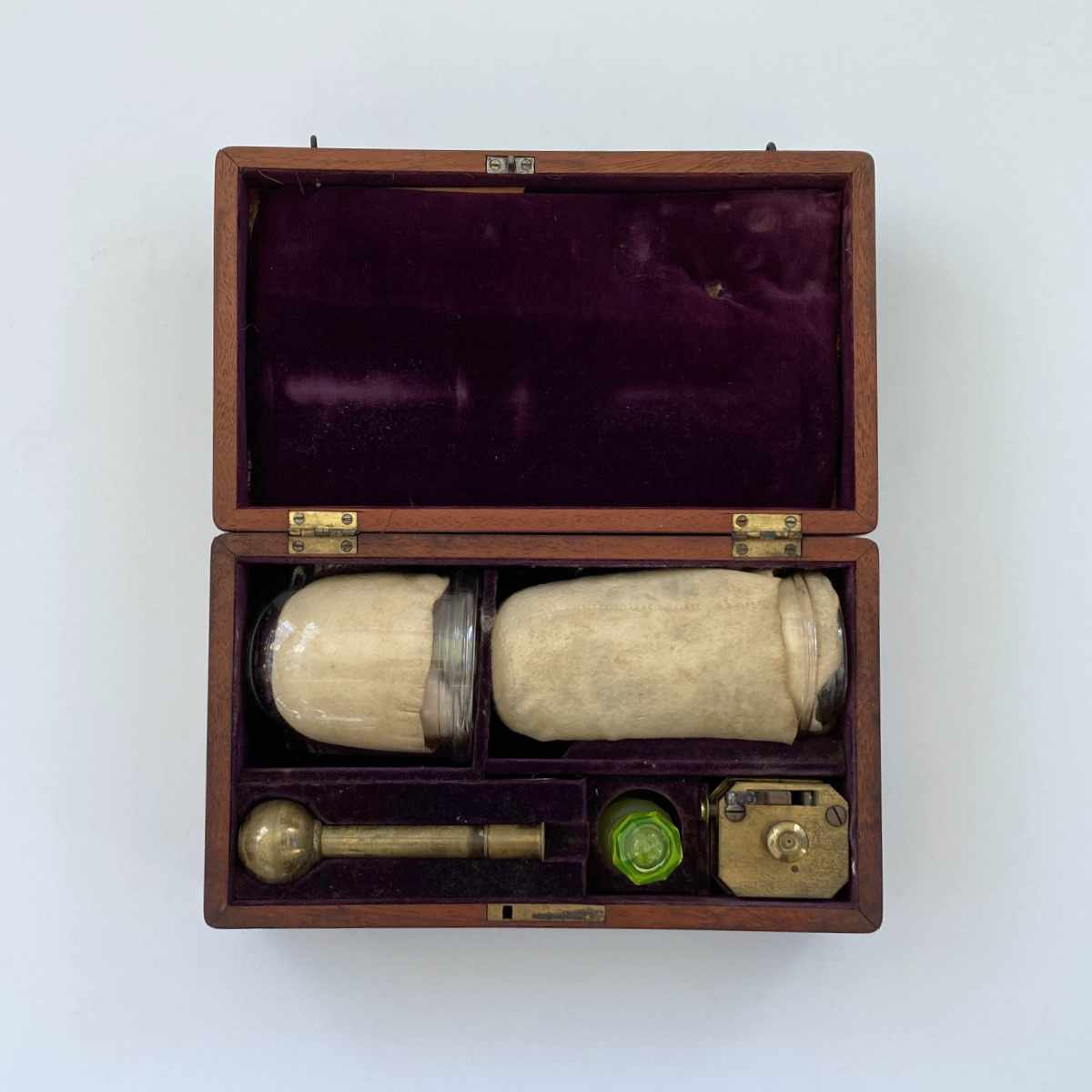
For sale, a Regency period cupping set by John Millikin of 301 The Strand, London
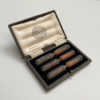
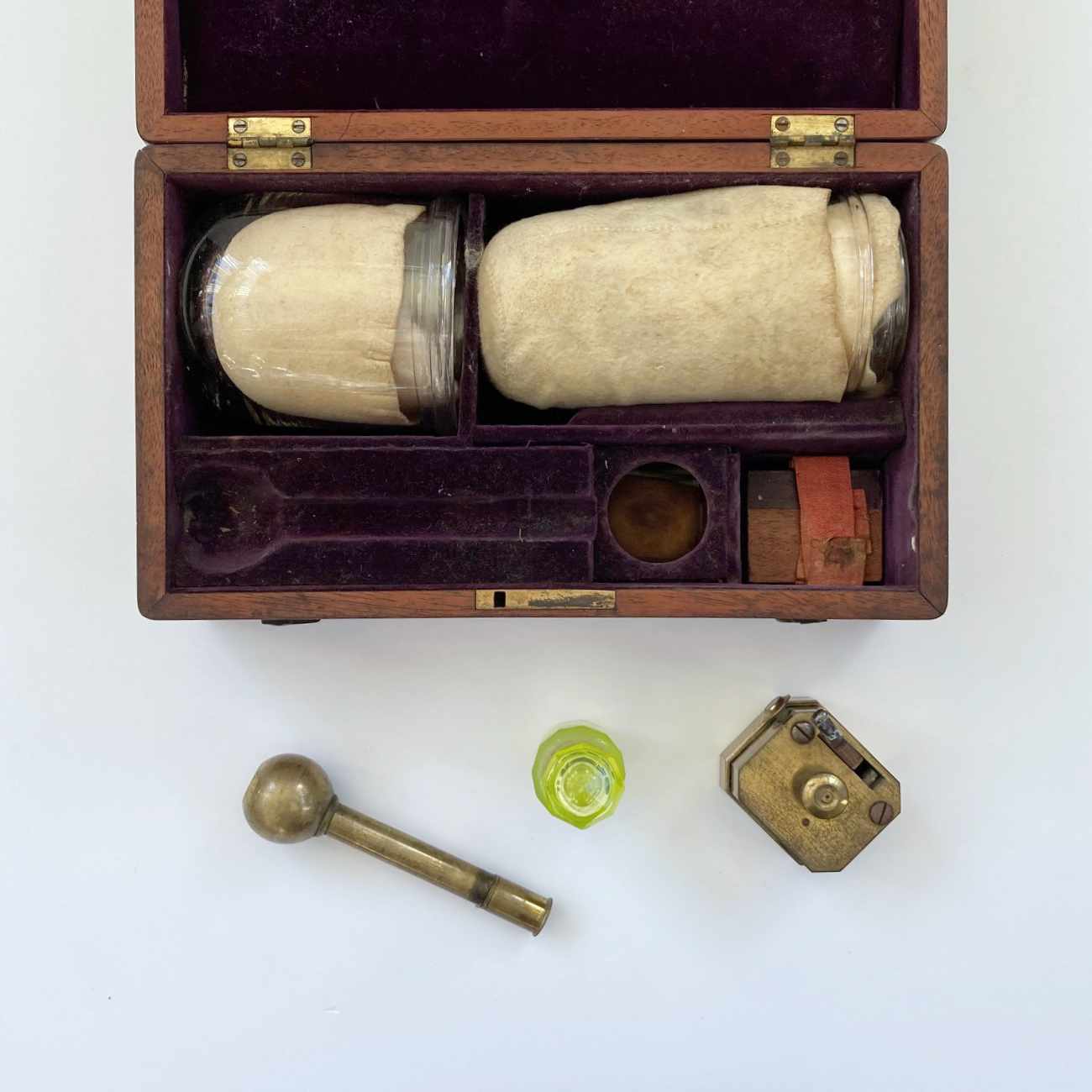
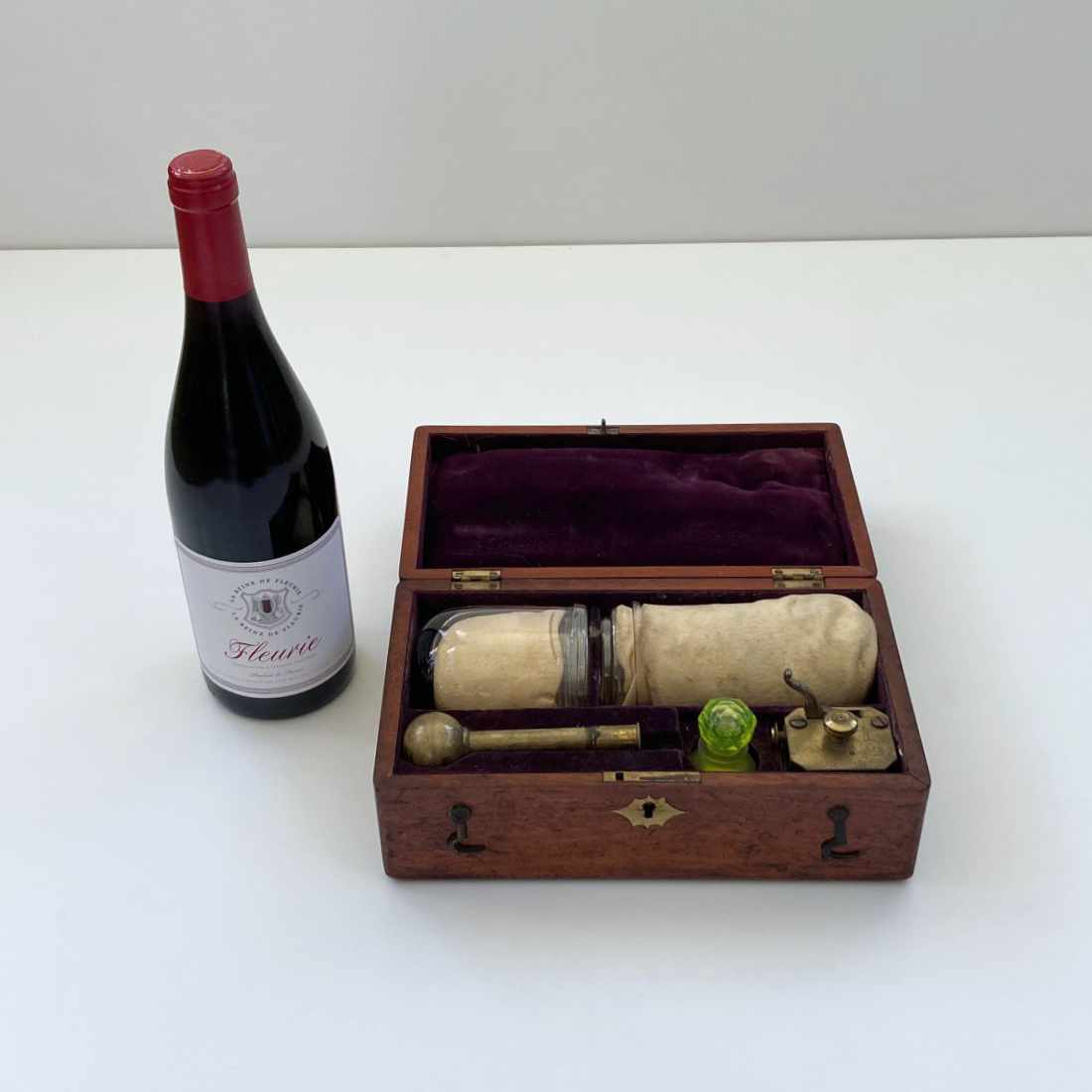
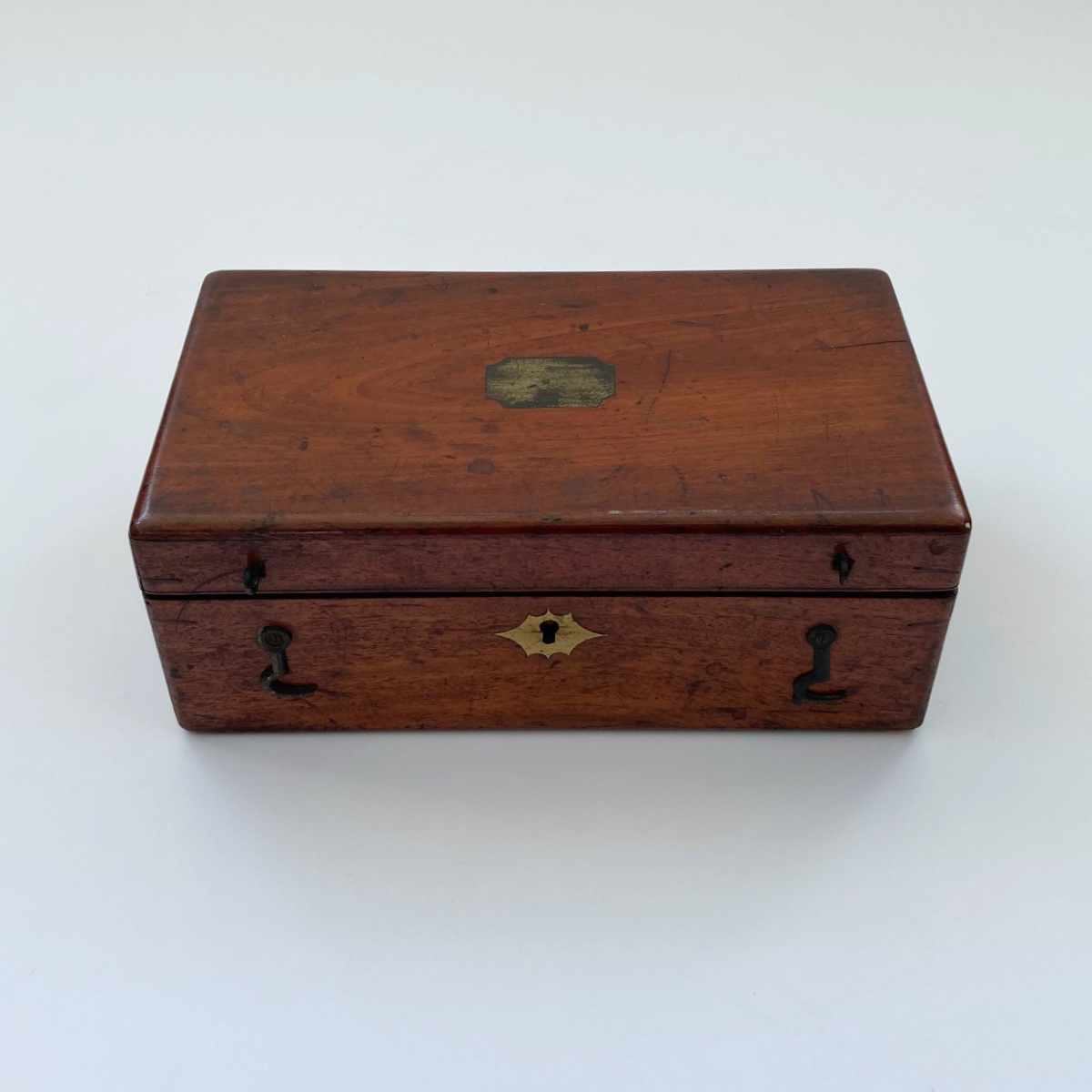
The set is comprised of a purple silk velvet lined mahogany case with hook and eye fixings to the front, lock plate and a brass cartouche to the centre of the hinged lid.
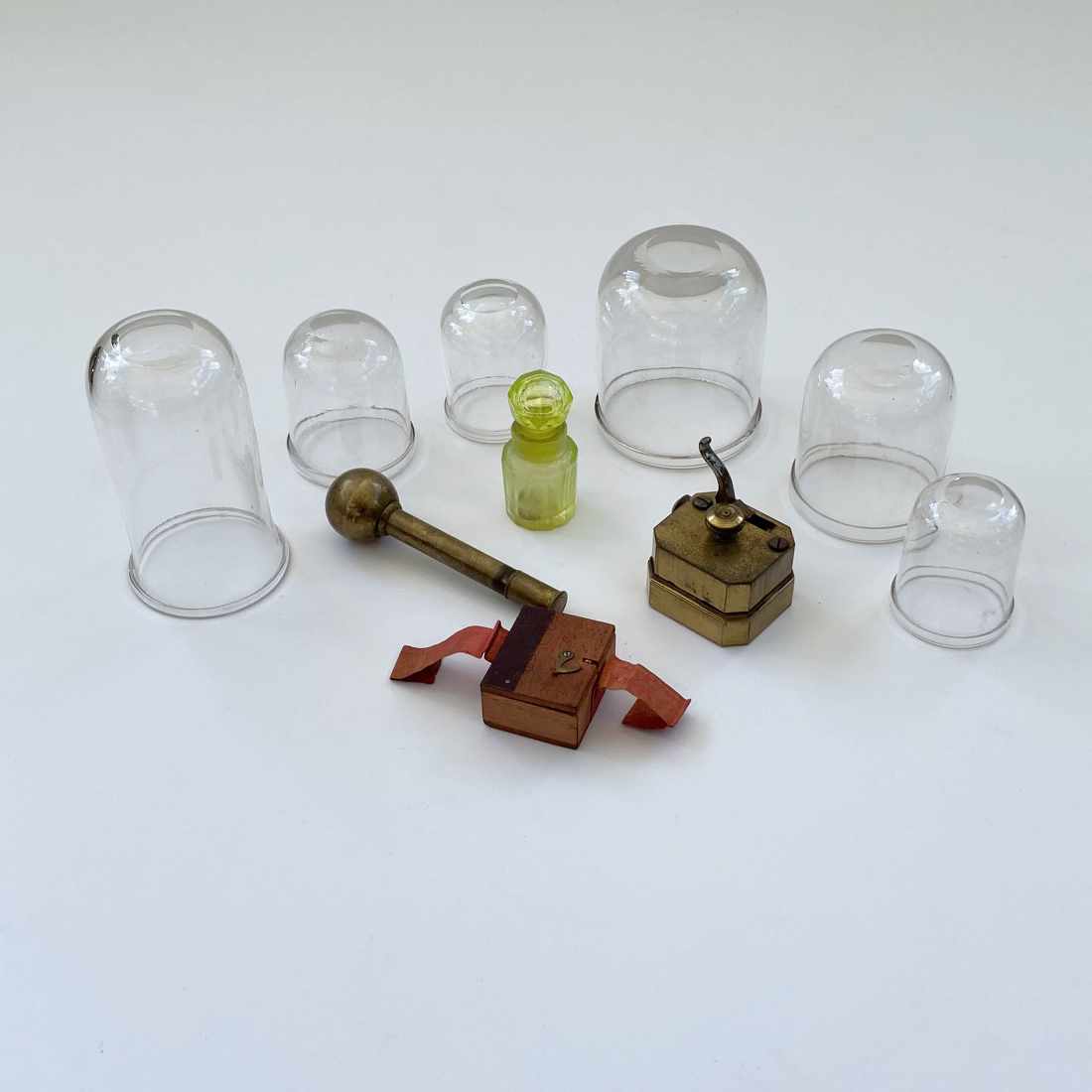
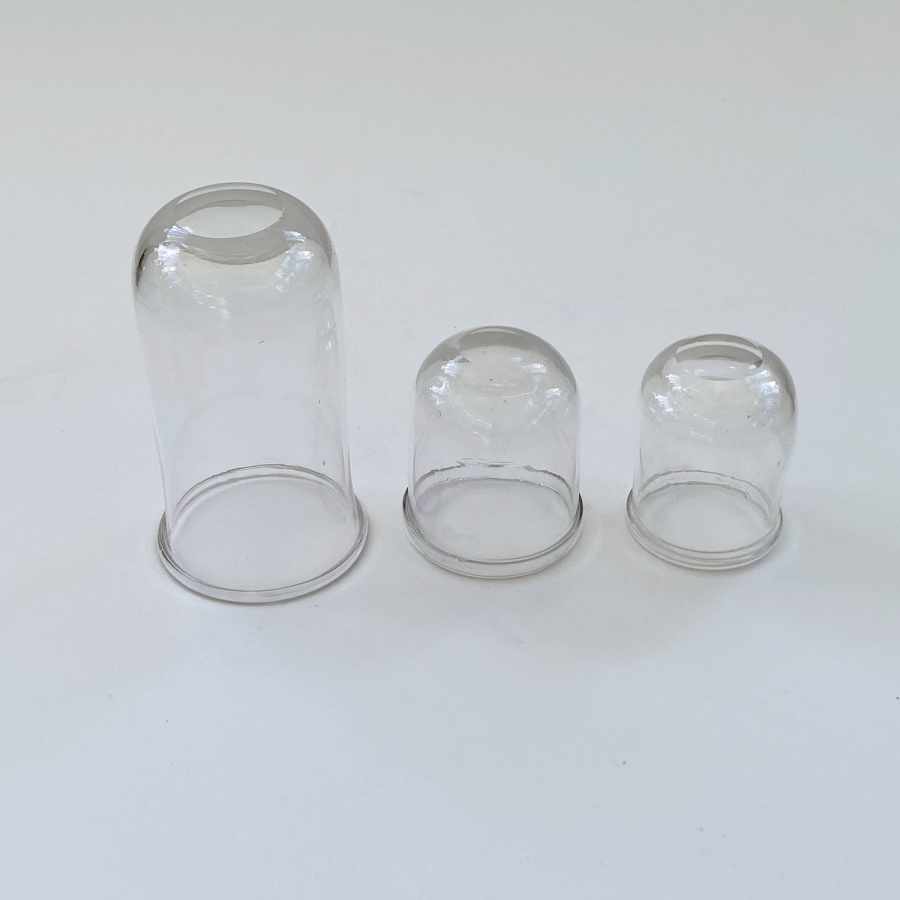
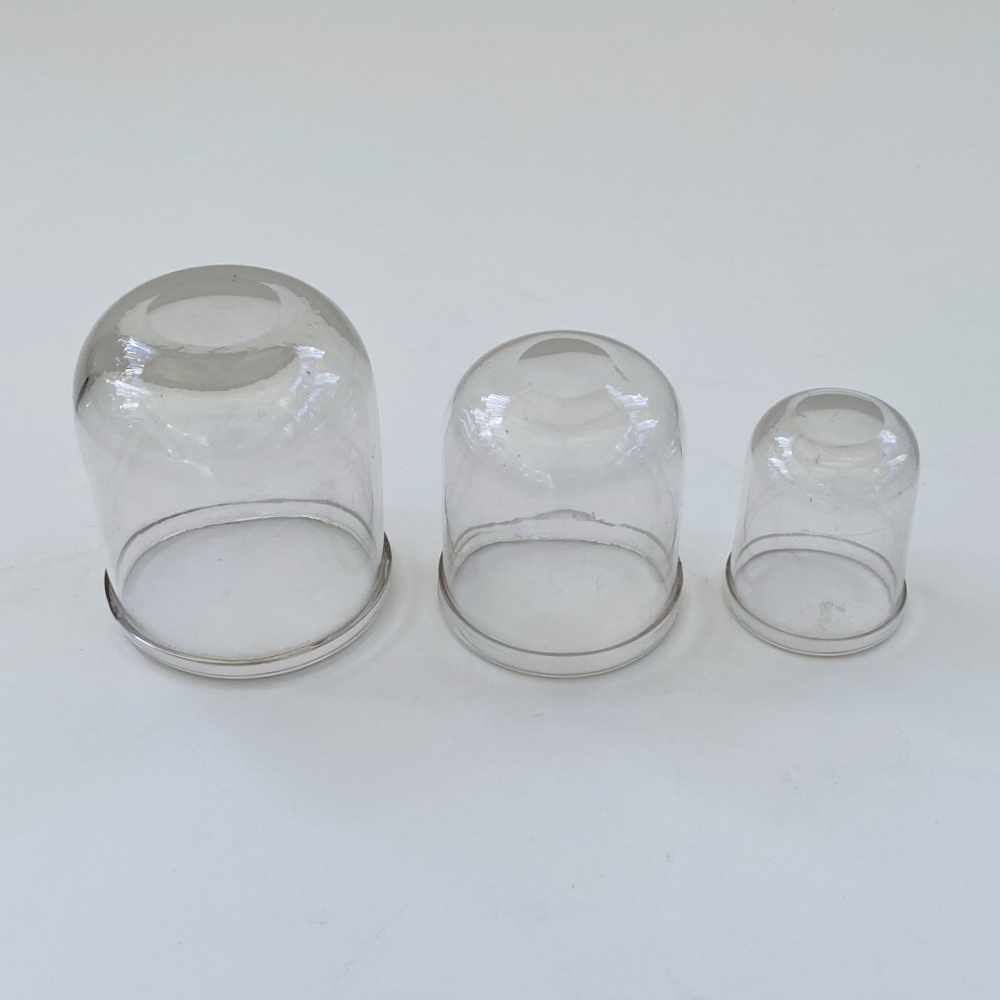
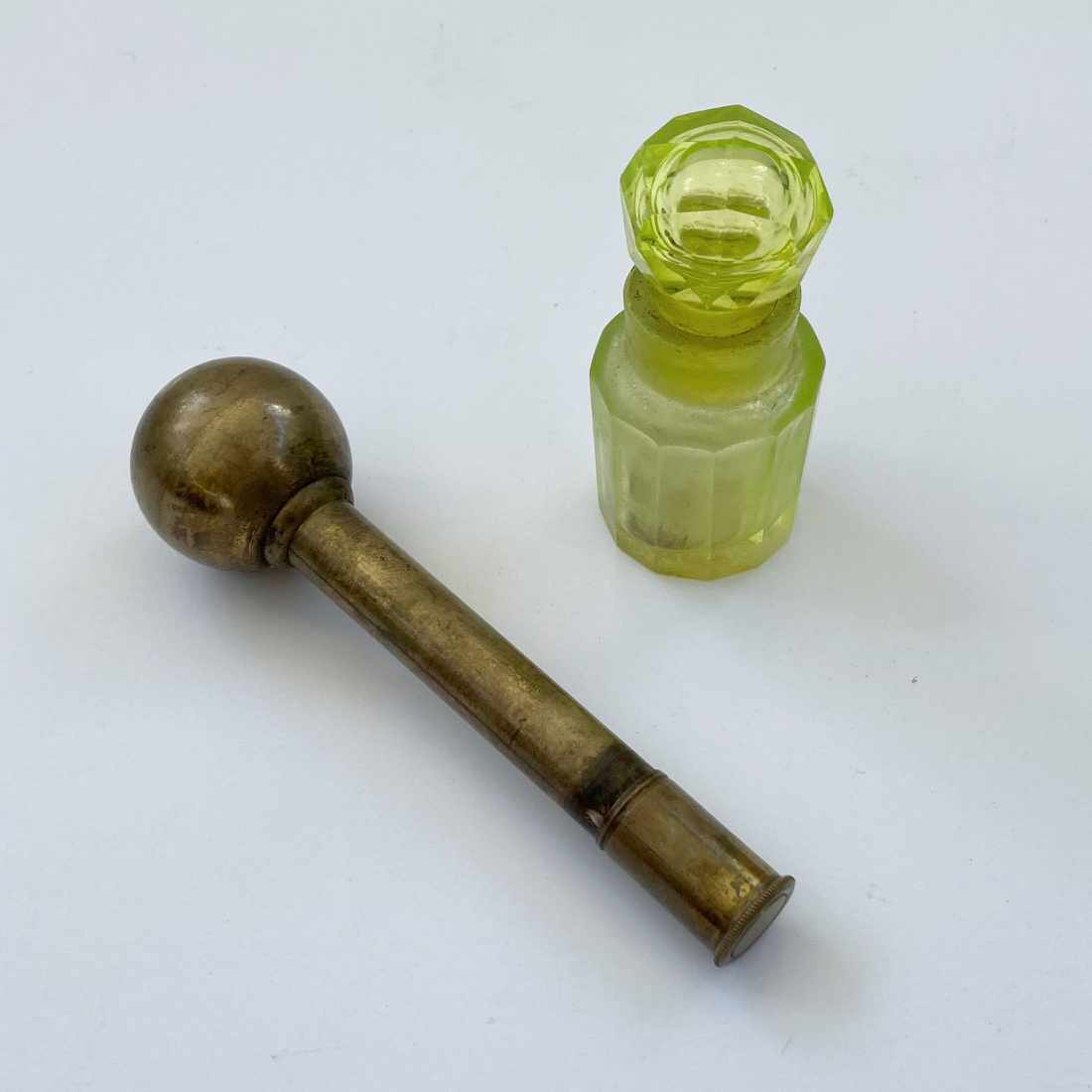
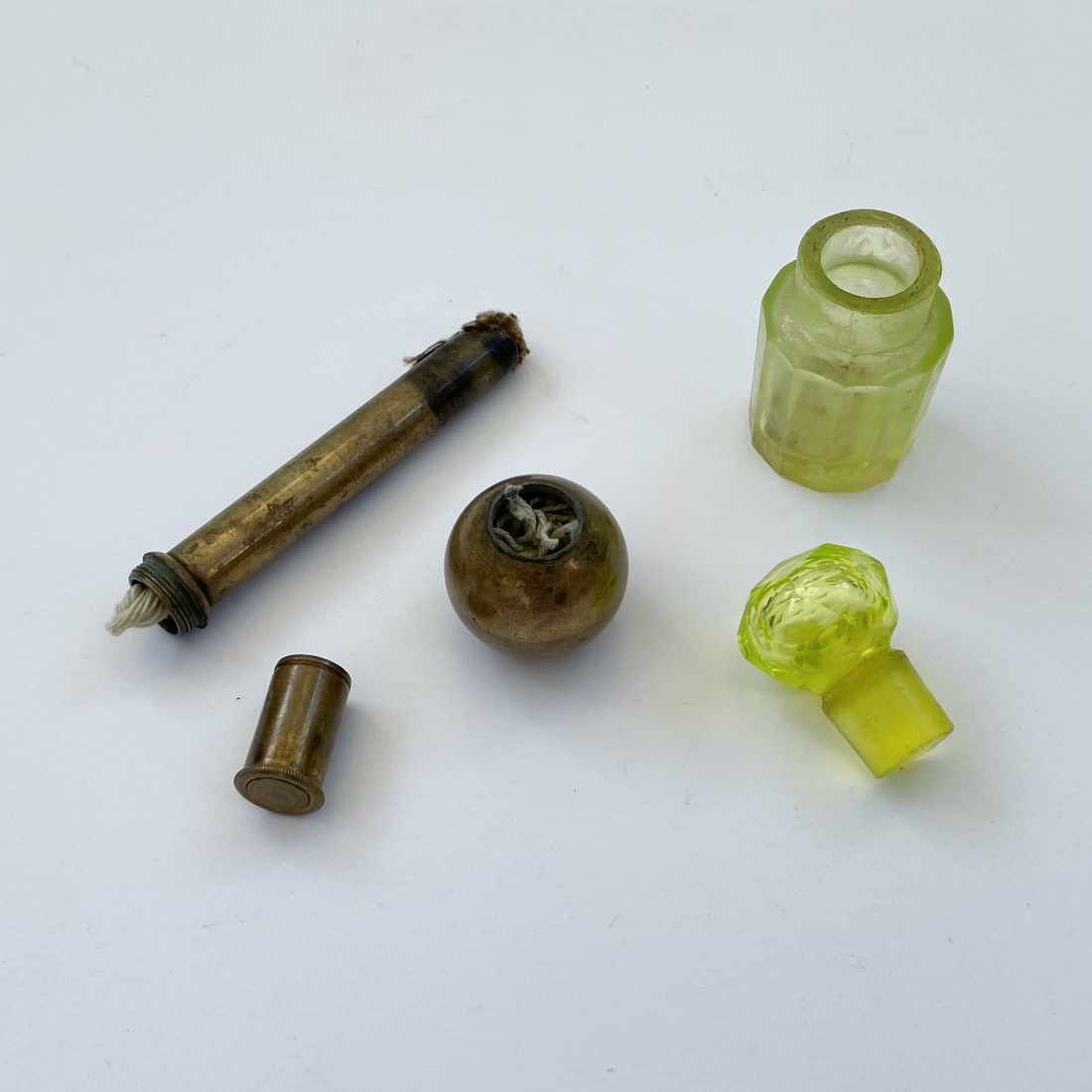
The fitted interior is provided with a nest of six flint glass cups to the rear section, with folded rims for ease of attaching to the skin, complete with their original chamois leather protective sleeves. A brass spirit lamp with bulbous end for filling with spirit and a pull off lid at the wick end to the front left. The fitted centre hole is provided with a green glass lidded bottle for storing additional spirit although this is undoubtedly a later replacement.
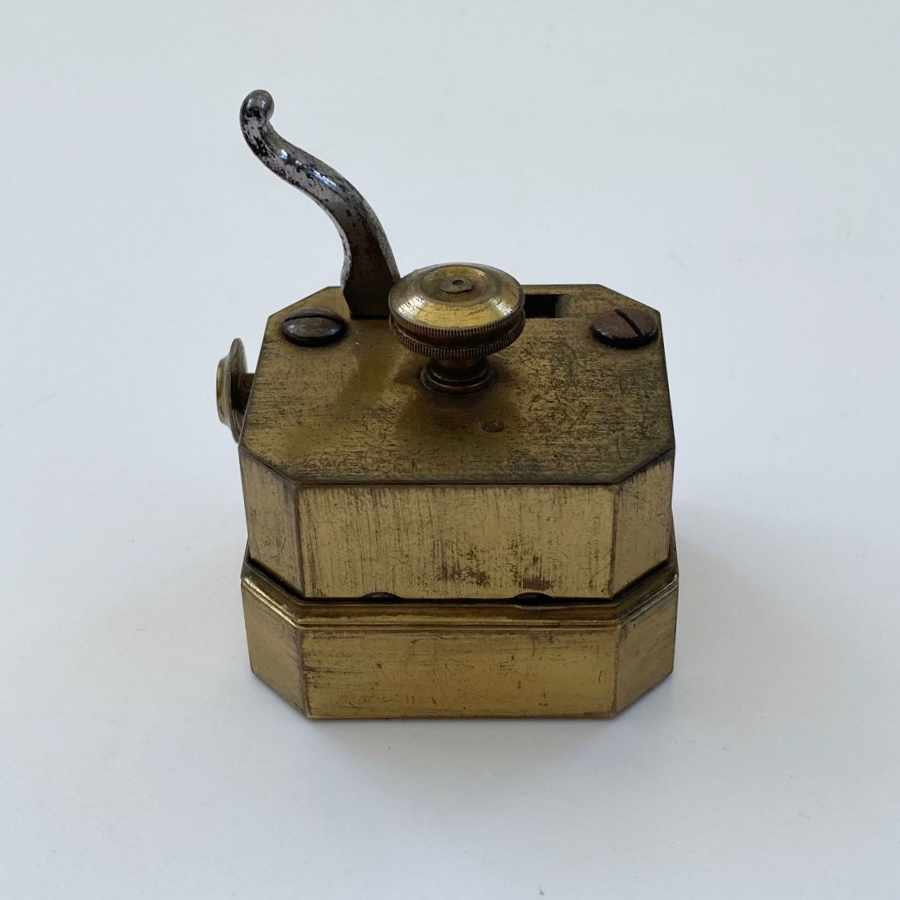
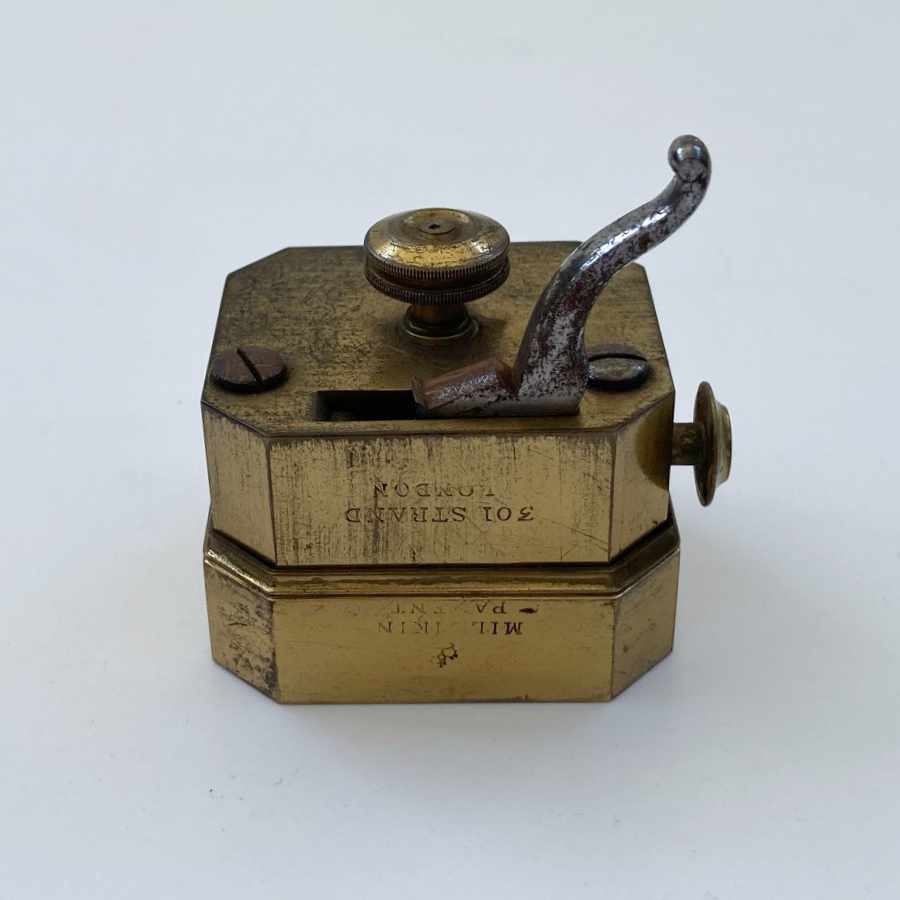
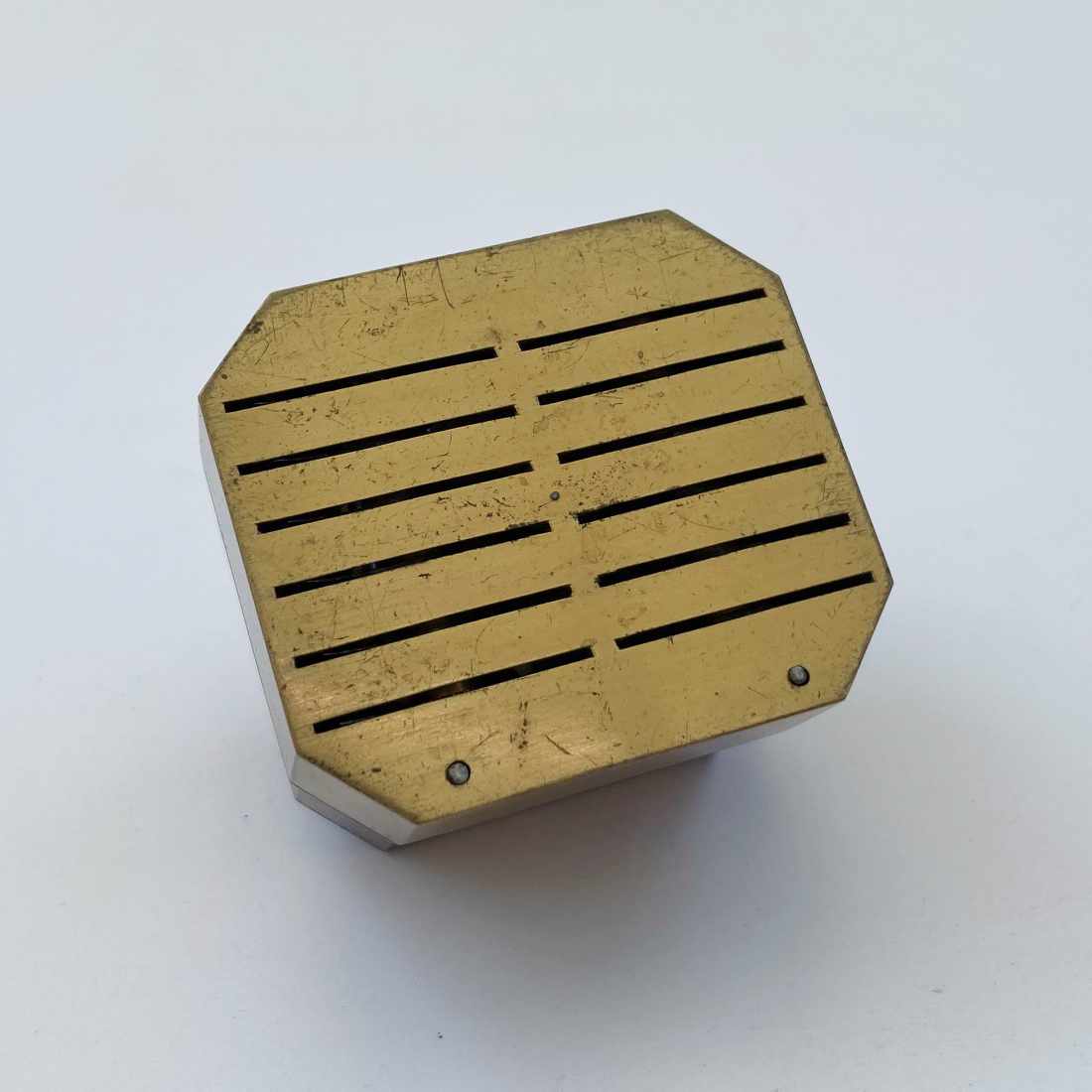
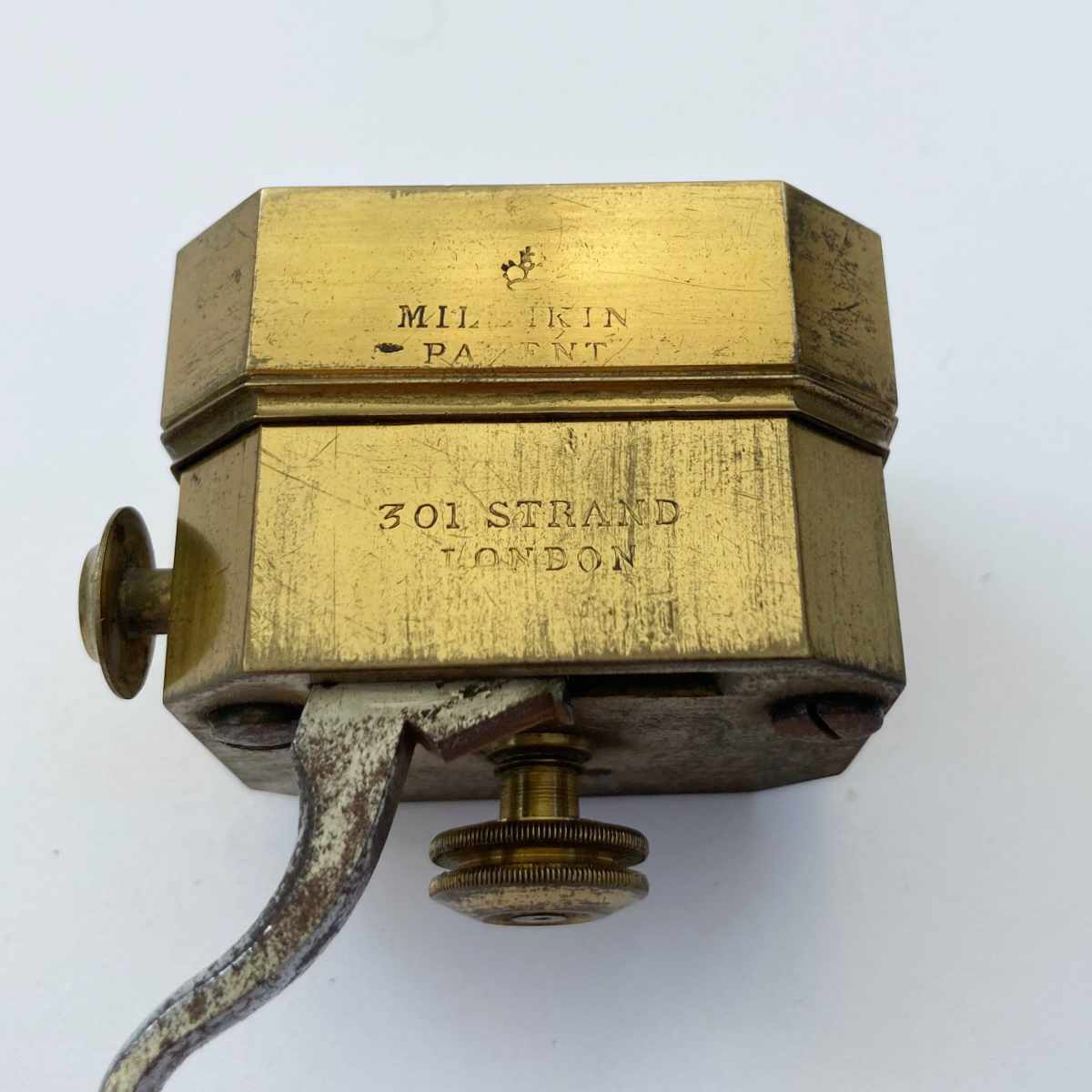
To the right corner is a two-tiered section with the upper part dedicated to a brass twelve blade scarificator engraved to the side with the mark, “Millikin Patent” under a crown motif and the address of “301 Strand, London”.
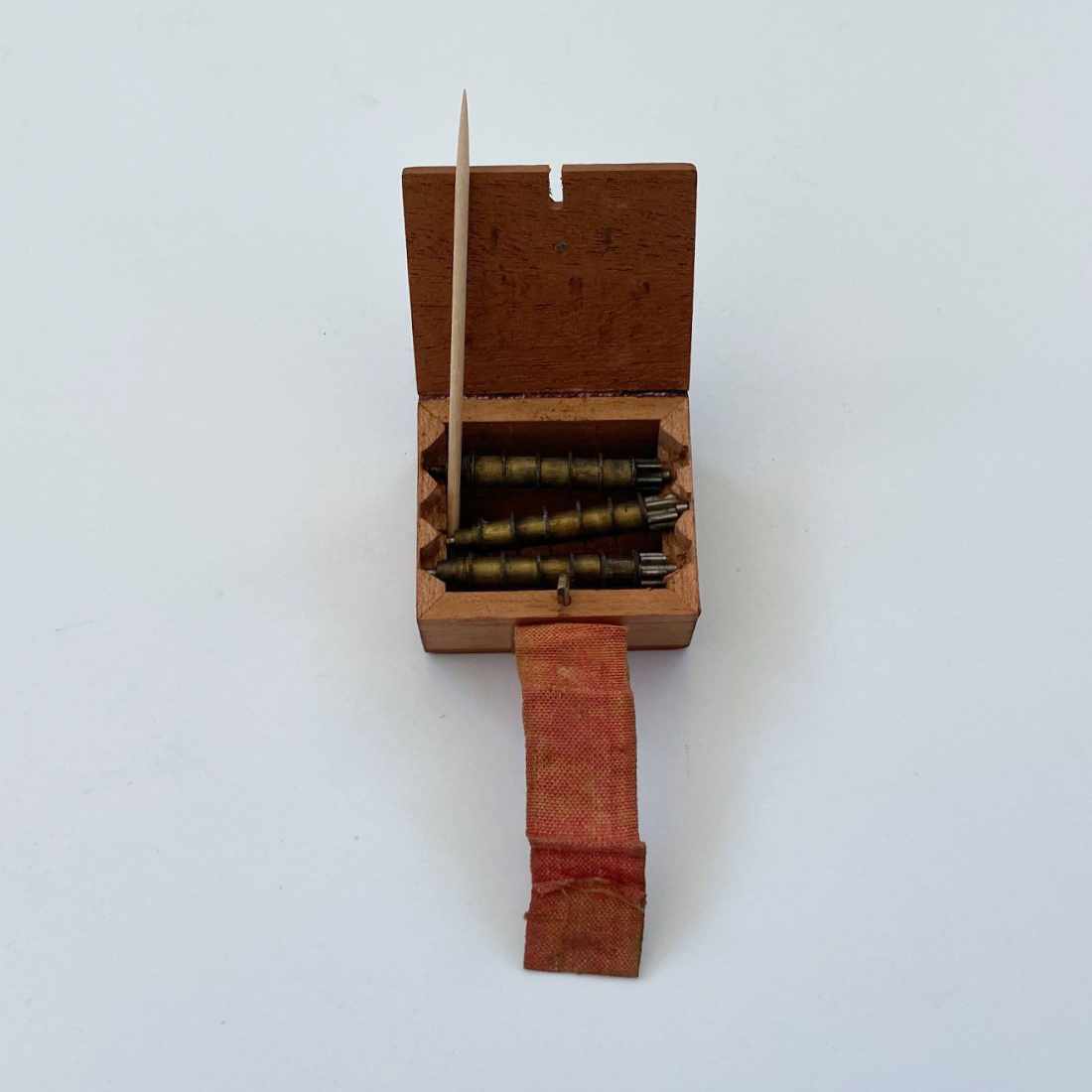
The lower section contains a simple mahogany case with leather hinge, a hook and eye closure and a section of ribbon to allow for ease of removal. Unusually, the case still retains its three replacement rollers for the scarificator.
The maker John Millikin founded his medical instrument business in 1815 at 301 The Strand. Little is known of his trading years although he must have been a maker of some standing since he received a silver medal from The Royal Society for an improved bistoury knife. His patent reference was I suspect some artistic licence as his name fails to appear in patent indexes up to 1852.
Millikin married a Martha Browne two years after establishing his London business and he is known to have also formed a short-lived partnership with a George Wright from 1826 – 1829 under the name of Millikin and Wright.
Millikin died at the young age of 47 in 1833 leaving his business to his wife Martha Millikin who continued to operate under her husband’s name. She moved the business to a new address, 161 Strand in 1844 and continued there until her death in 1854 whence the business was sold to a William Lawley. Under the new guise of Millikin and Lawley it operated under Lawley family ownership until the 1950’s.
Circa 1825