

Late Eighteenth Century Three Draw Telescope by Jesse Ramsden in Original Case
£695
Late Eighteenth Century Three Draw Telescope by Jesse Ramsden in Original Case
Dimensions
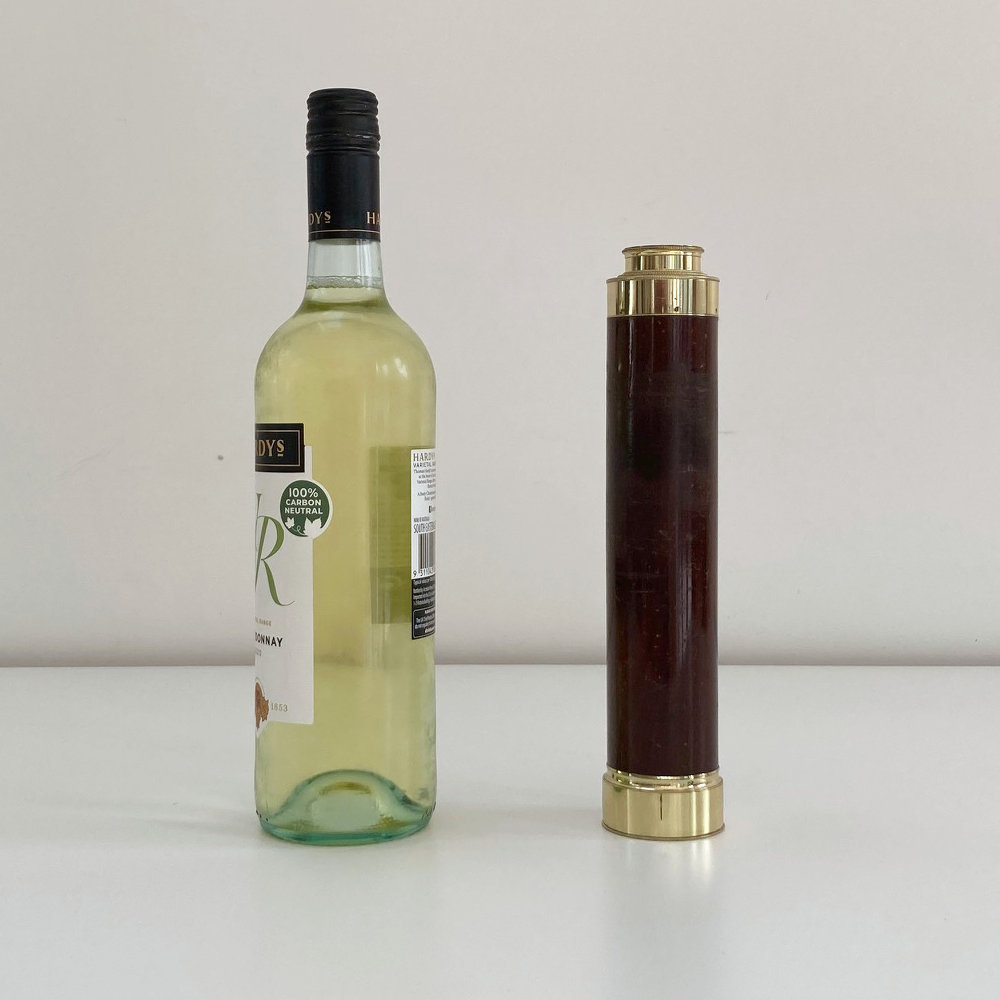
H: 24 x W: 5 x D: 5cms
Circa
1790
Maker
Jesse Ramsden
Country of manufacture
UK and Ireland
Description
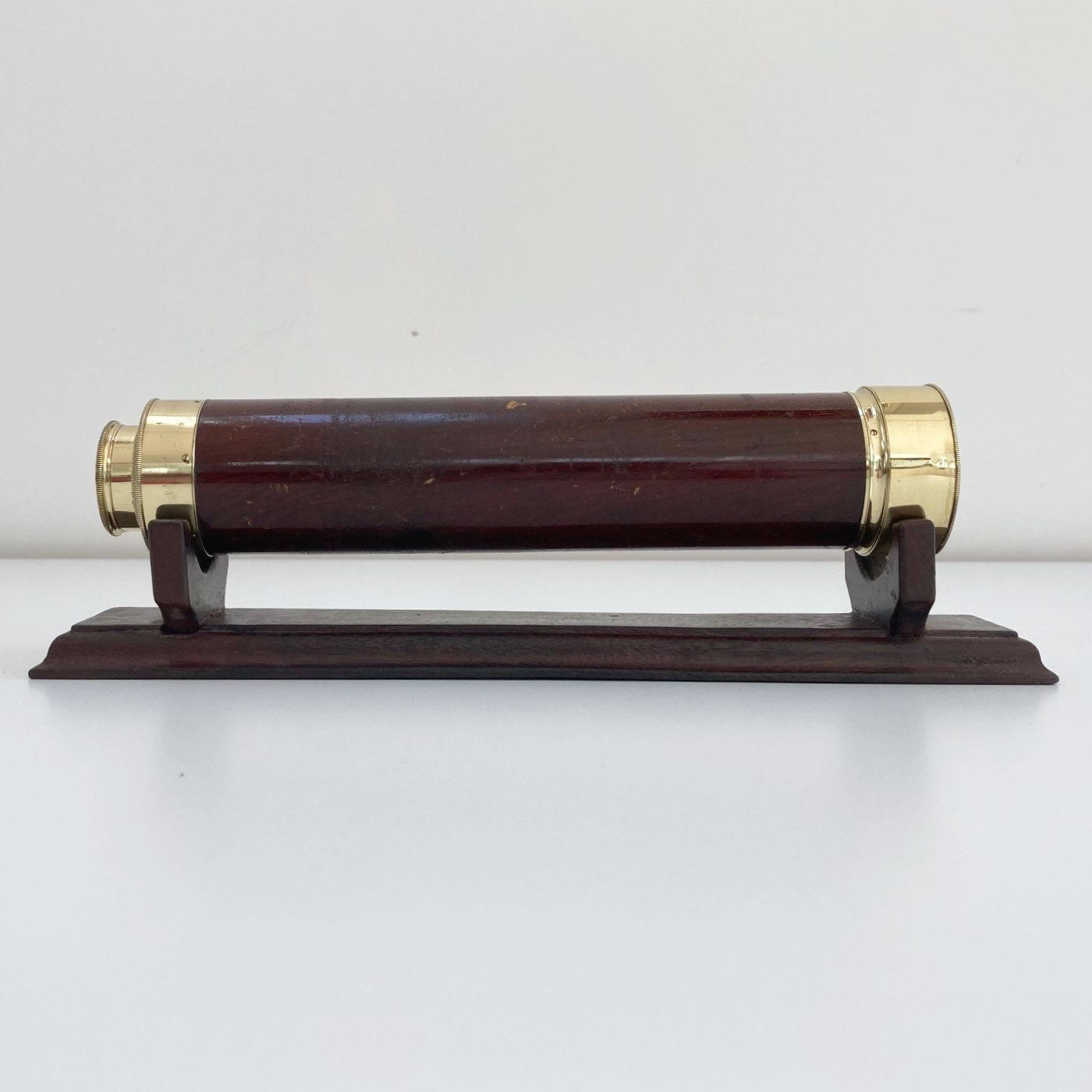
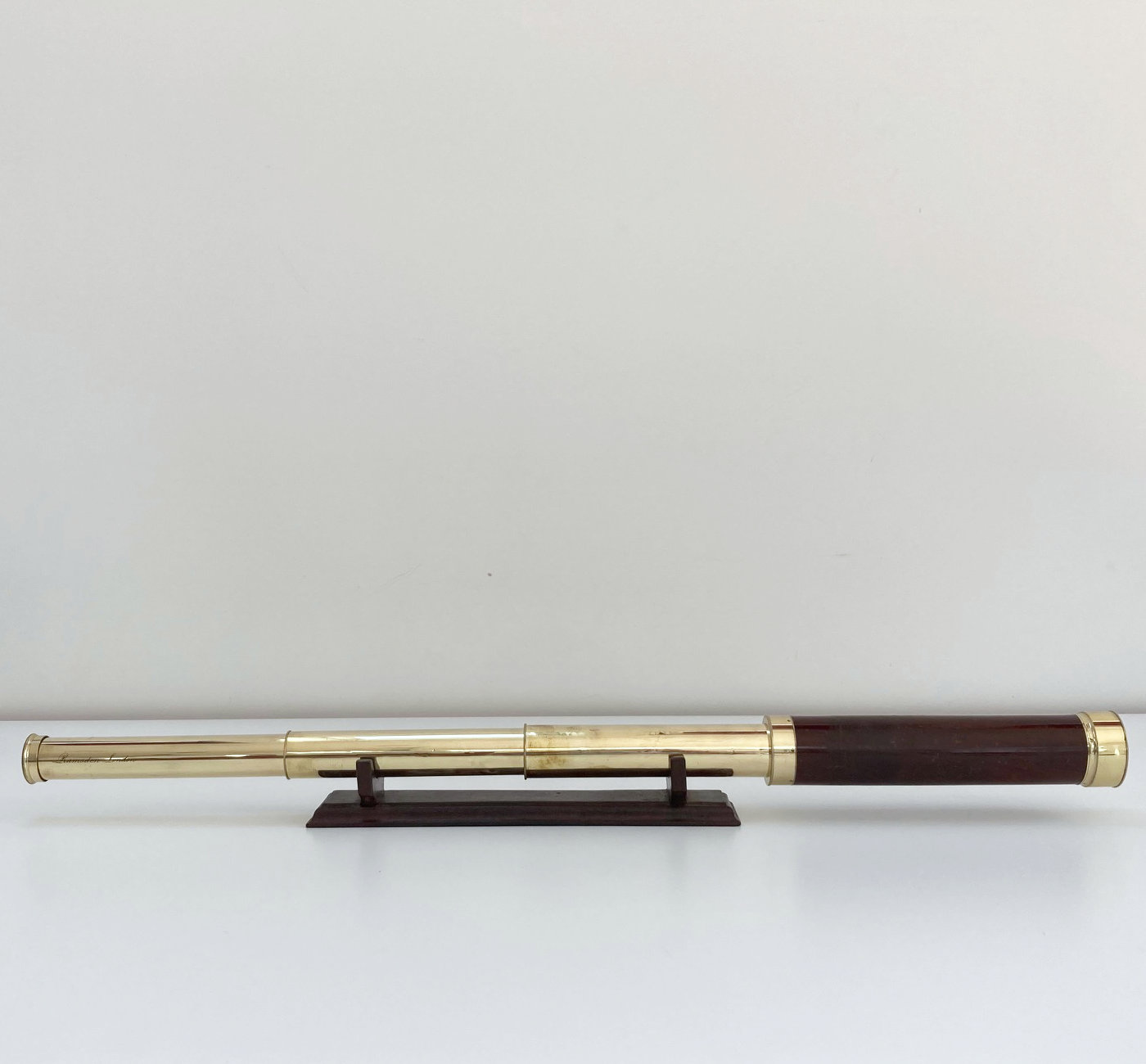
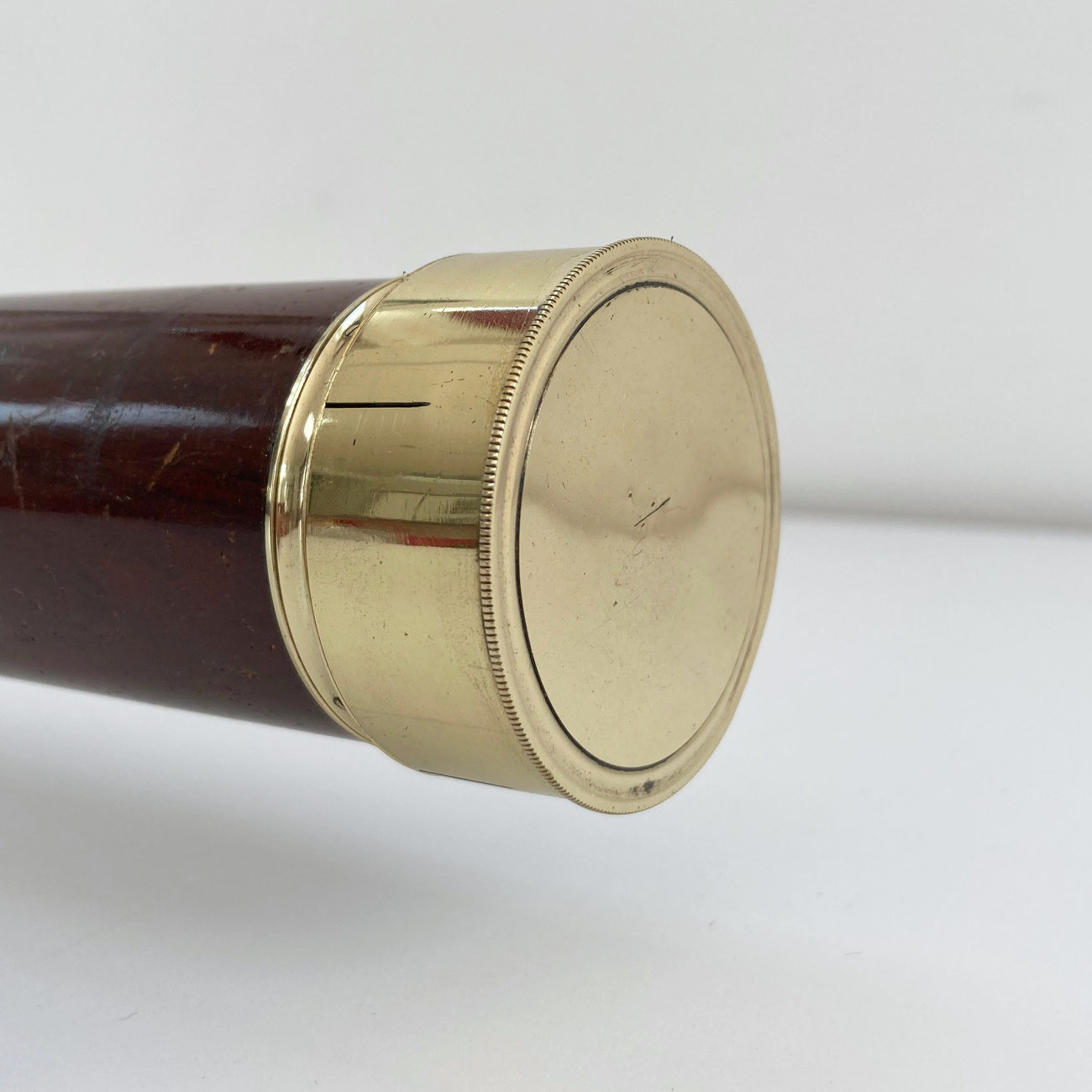
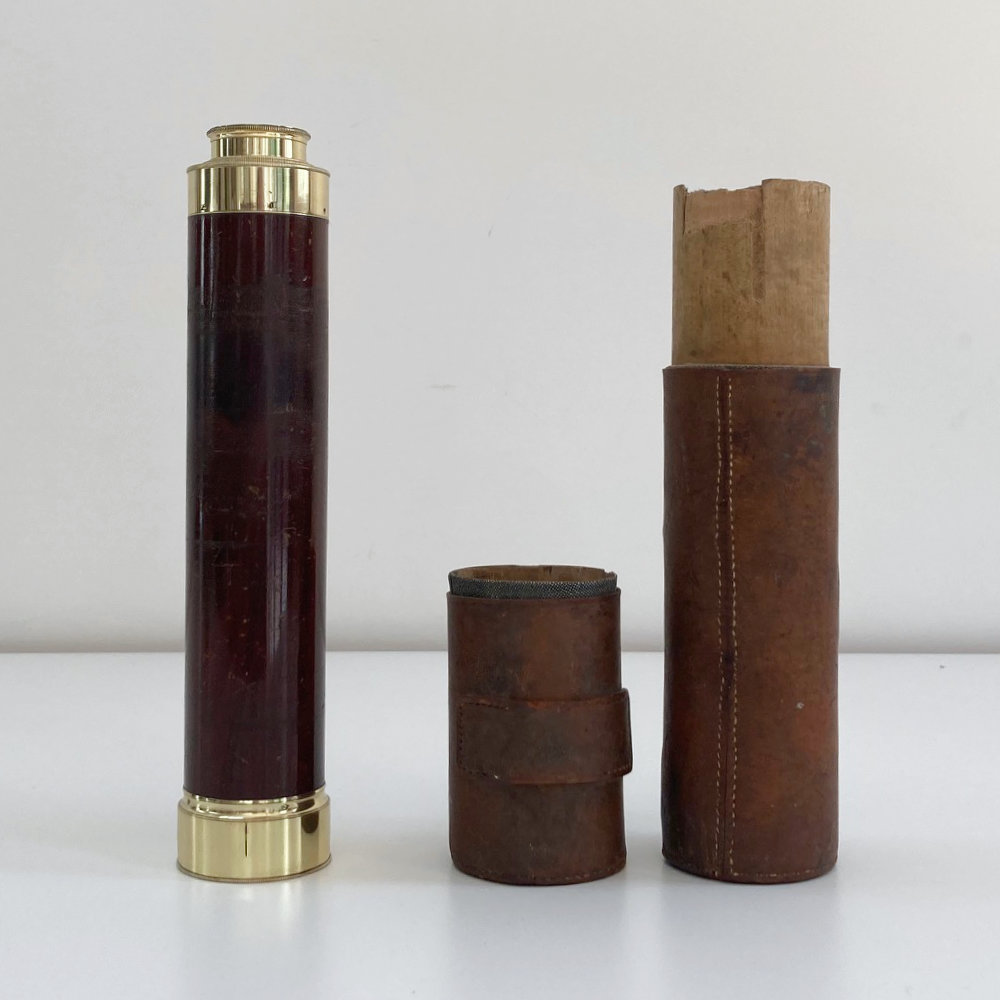
For sale, a Late Eighteenth Century three draw telescope in original case by Jesse Ramsden, London.
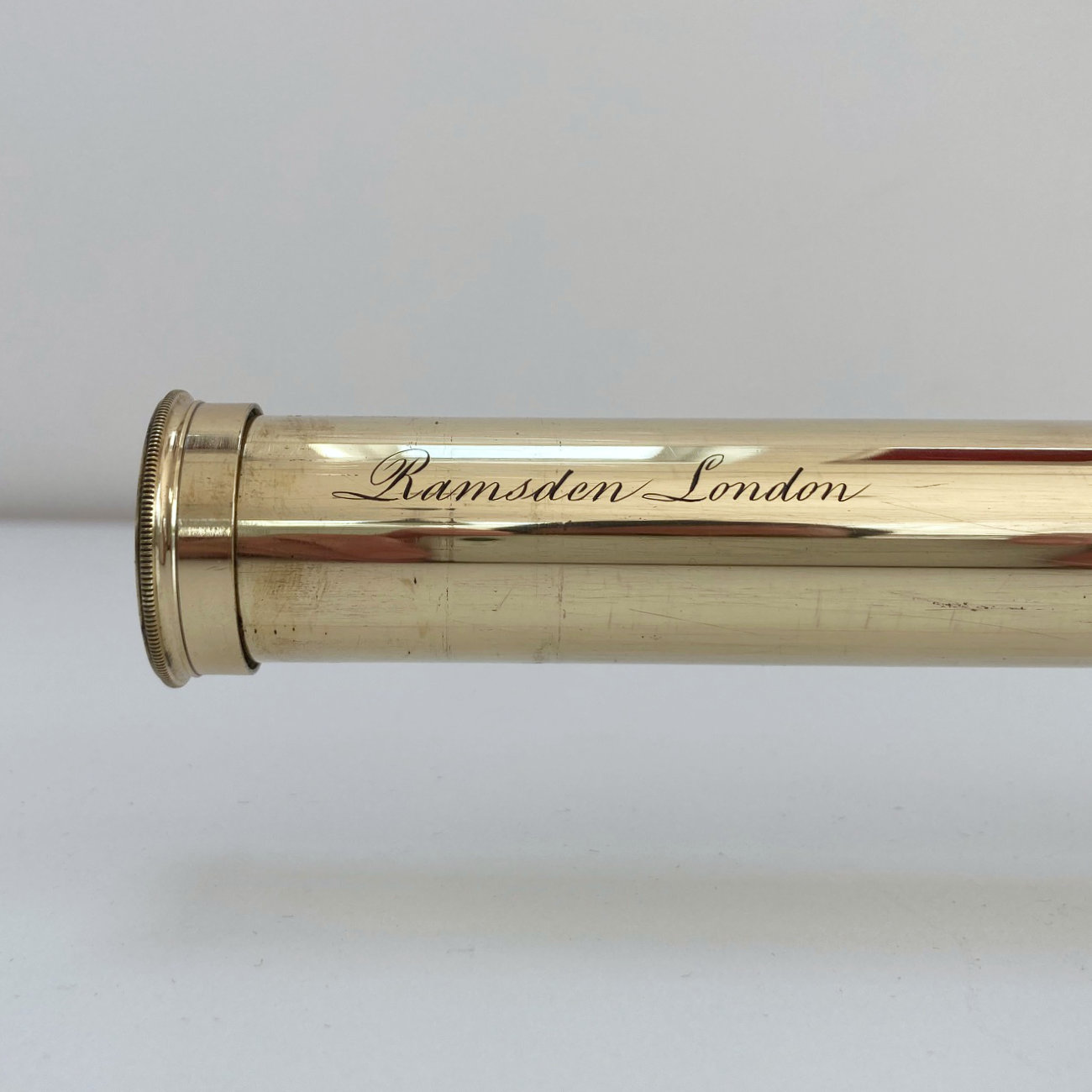
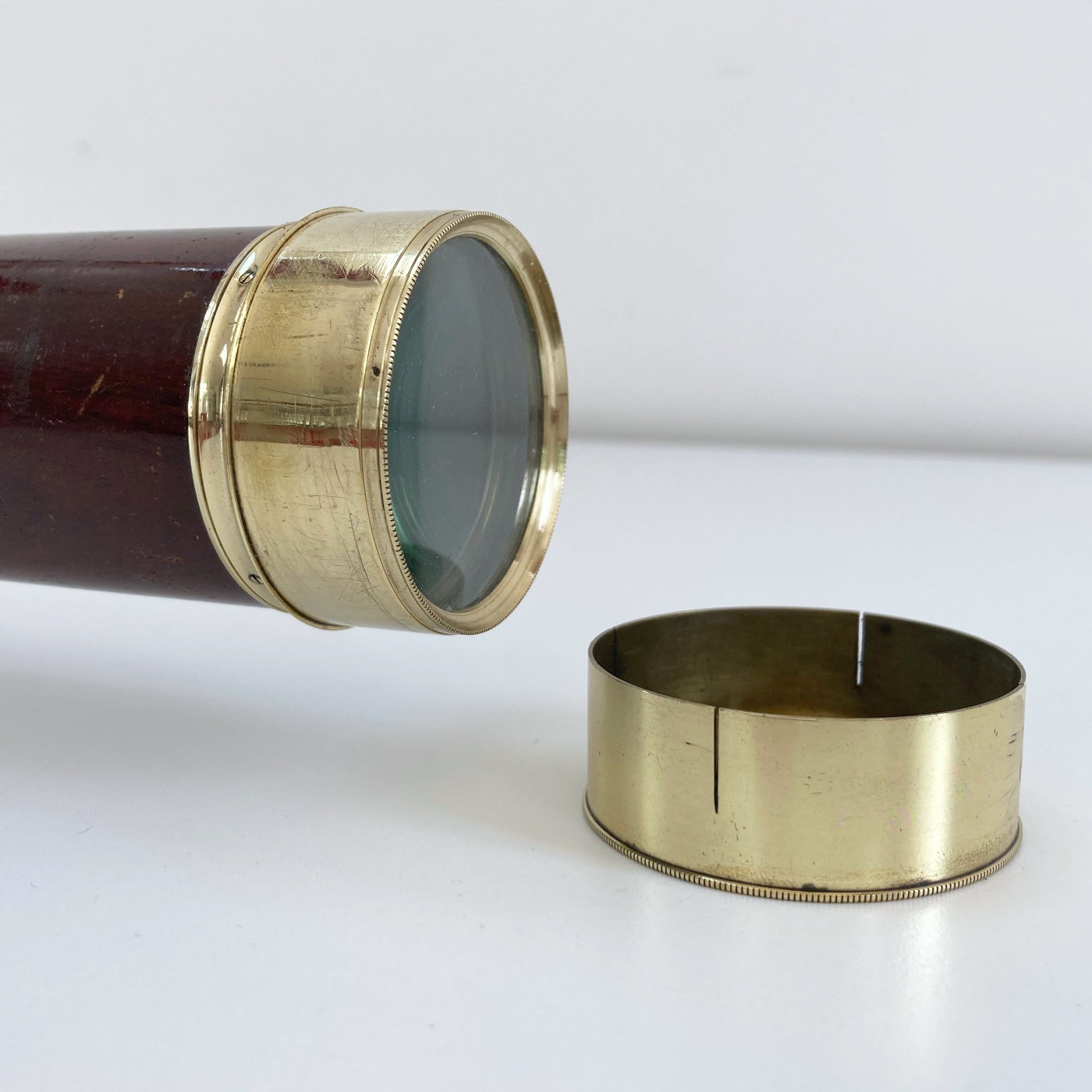
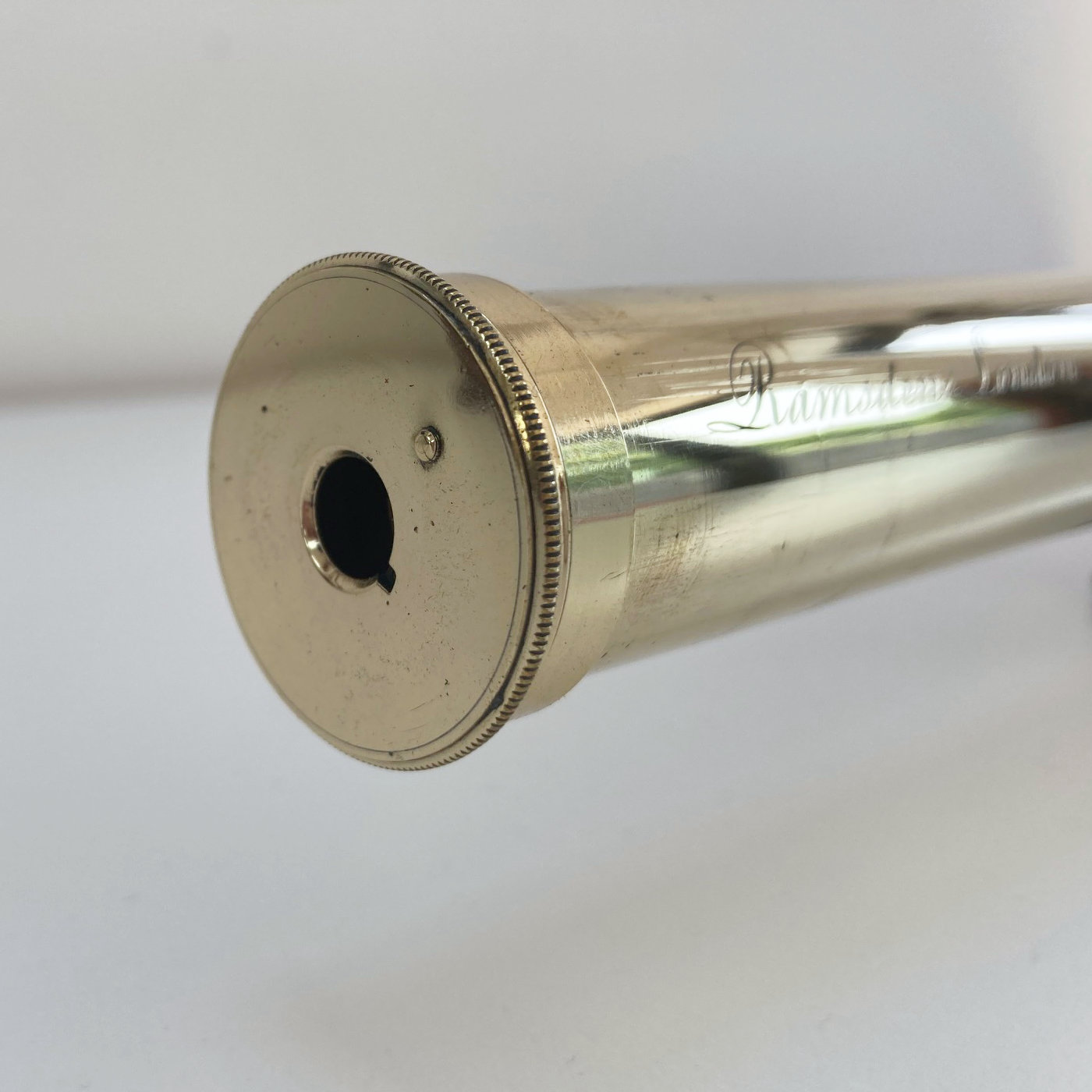
This fine example consists of a three-draw achromatic telescope with a 1.5” objective lens, original dust cap and rich mahogany barrel. The telescope measures, 71cms extended and 24cms closed and is engraved for the maker, Ramsden, London to the first draw.
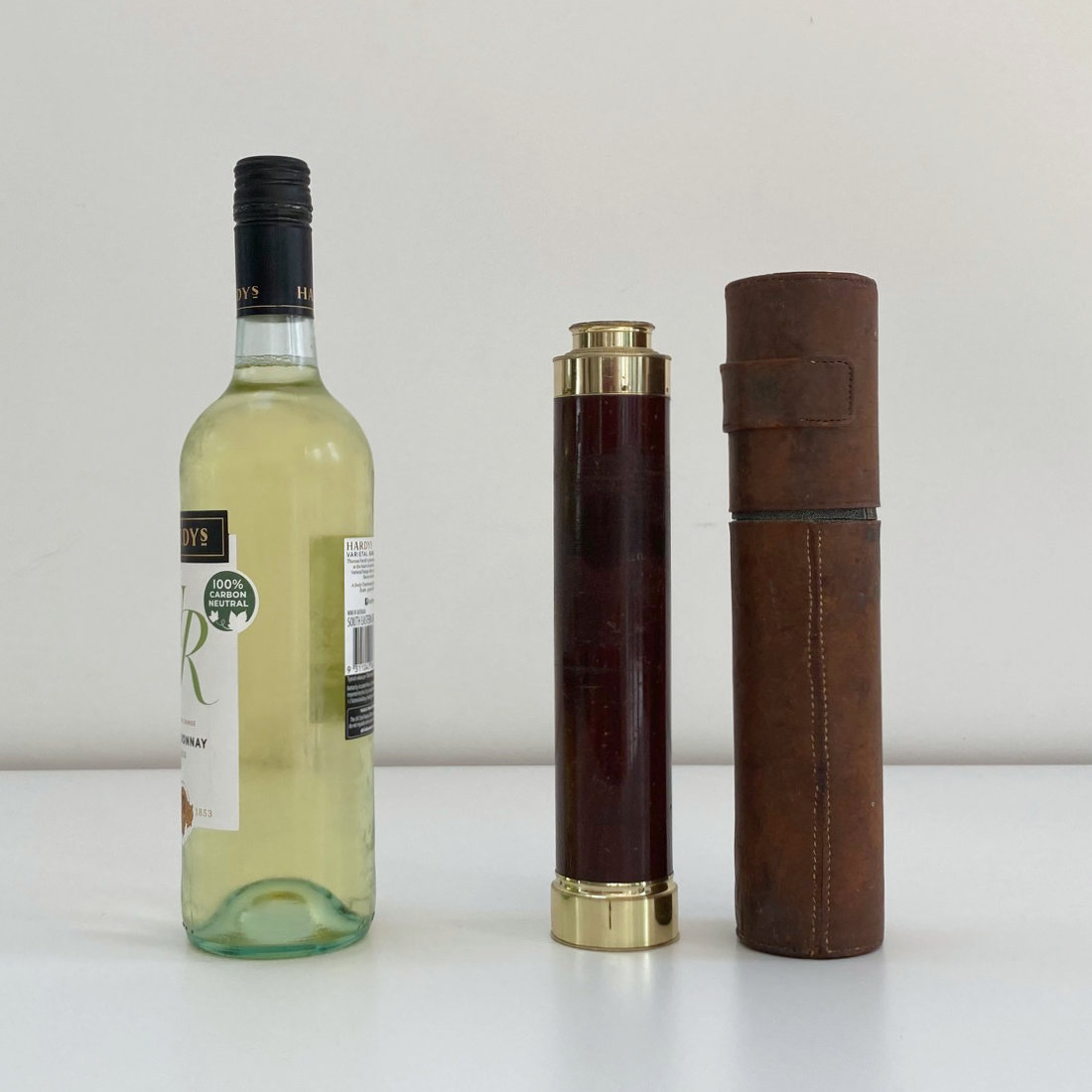
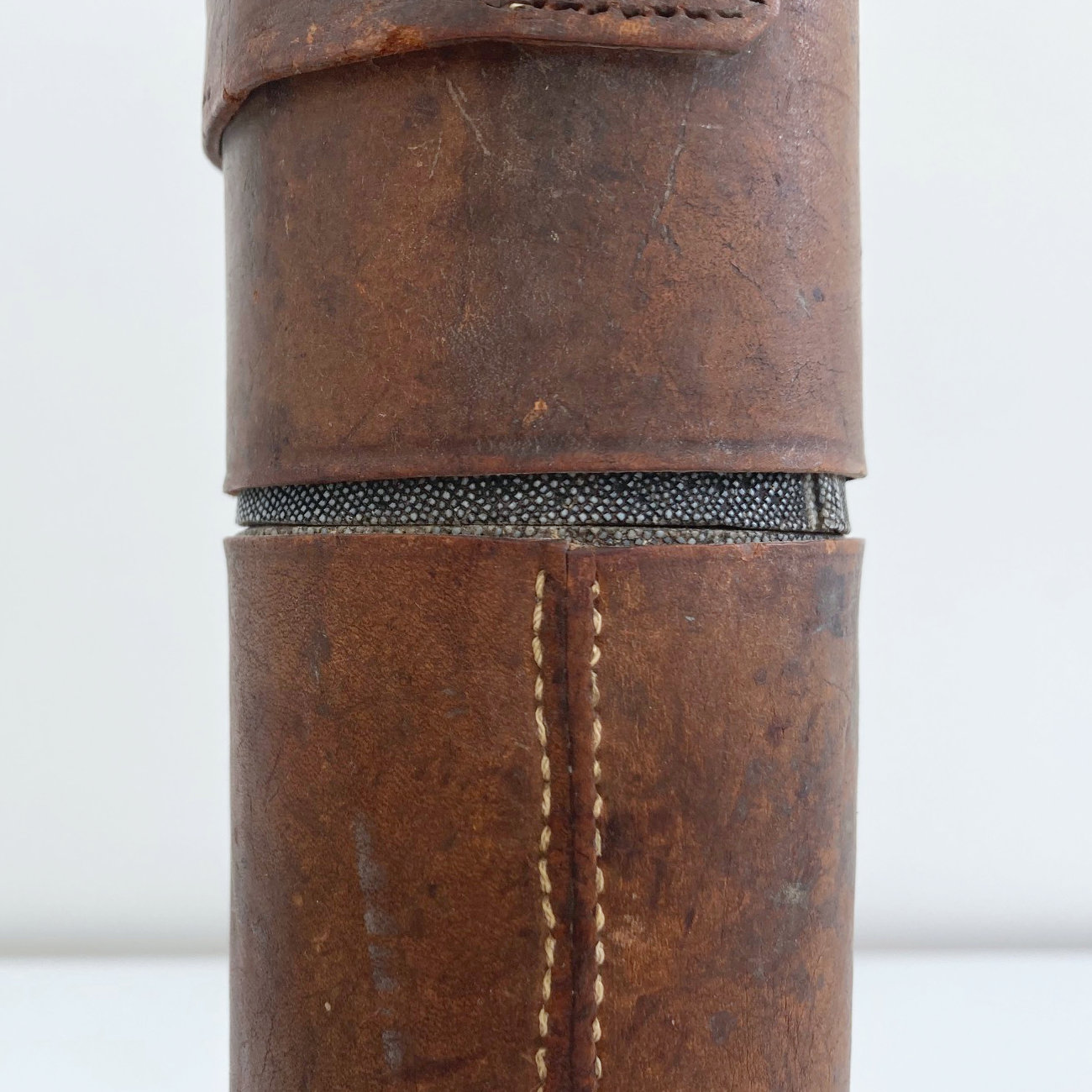
The instrument retains its original two-part case which is comprised of shagreen covered boxwood tube with an outer leather layer.
A superb example by perhaps the most famous and renowned of all English Scientific Instrument makers.
Jesse Ramsden had a supreme introduction to the London instrument making trade through an apprenticeship with Edward Nairne. Upon gaining his freedom, he set up in business in The Strand in 1763 where his association with the upper echelons of the trade were further confirmed in 1766 through his marriage to John Dollond’s youngest daughter Sarah. He set up premises in The Haymarket in 1771 and with continuing prosperity, the business moved once again to a prime location at 199 Piccadilly.
During the 1770’s, his relationship with the Dollond family was somewhat marred by events that eventually became known as the Dollond patent controversy which primarily focussed on the partnership that was formed between the Dollonds and Francis Watkins for the patenting and subsequent sale of the achromatic lens. Whilst Ramsden was not directly affected by the legal proceedings surrounding this story, he and a number of other prominent members of the industry, strongly refuted the Dollond’s claims to the patent. His vocal objections would certainly have affected his relationship with the Dollond family and would almost certainly created some marital tension and probably lead to the eventual dissolution of the marriage in the early 1780’s whereafter, Sarah returned to live and work with her family.
Ramsden’s successful endeavours included the creation of straight line and circular dividing engines which allowed for the accurate dividing of instrument scales. The first was created in 1768 with a second following his move to Piccadilly in 1774 and the latter was submitted to The Board of Longitude for inspection. The Board subsequently bought the engine, and it became the standard for all Governmental instruments. Ramsden was permitted to maintain the engine and besides creating his own instruments, he also produced scales for numerous other London makers, which are recognisable today by having the foul anchor marking with Ramsden’s initials either side. This partial monopoly on both the London trade and public retail gives you some indication of his position and by 1786 he had become an elected member of The Royal Society.
It is somewhat difficult to give a full appreciation of the breadth of Ramsden’s work and customers over his lifetime, but he provided complex instrumentation to observatories all over the world and still maintained the ability to maintain a large retail stock of barometers, telescopes, thermometer and various surveying instruments. He also invented his own version of an electrostatic machine (just as his predecessor Nairne had done) and produced experimental instruments according to various scientist’s specifications.
Ramsden remained at his Piccadilly address for the rest of his life and just prior to his death embarked upon the renovation and partial rebuilding of the premises. Sadly, he did not live long enough to see the completion of this work, and he passed away in 1800.
Aside from Ramsden’s instruments, he left a generational legacy in the numerous apprentices that he trained throughout his life. Names such as Thomas Jones, William Cary and Edward Dixey (Father of CW Dixey) all remain recognisable as very competent instrument makers in their own right.
Circa 1790.